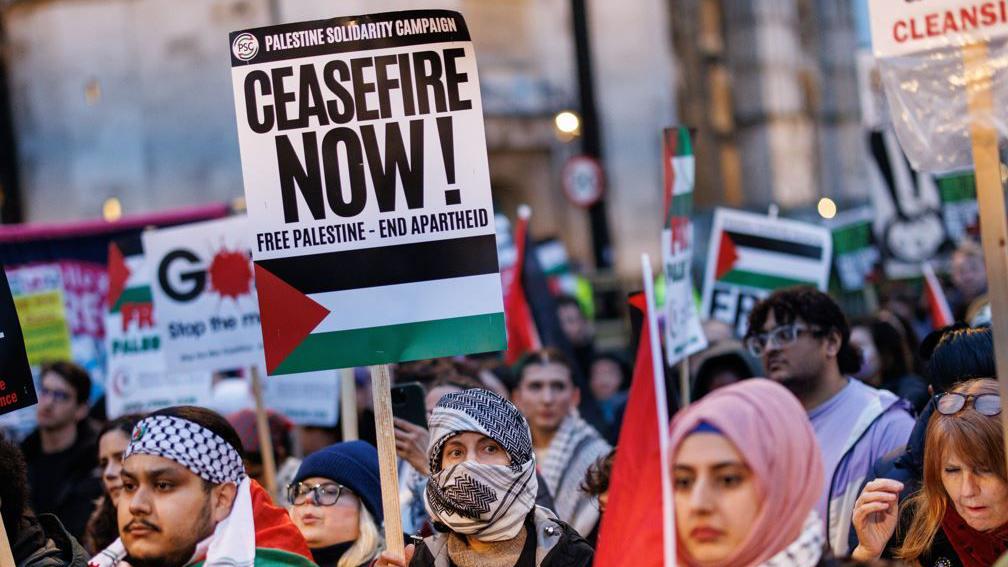
The Two-State Solution: A Hope for Peace in the Israeli-Palestinian Conflict
The Israeli-Palestinian conflict is one of the most enduring and complex disputes in modern history. For decades, a central proposal for achieving a lasting peace has been the Two-State Solution. This vision, championed by the United Nations and much of the international community, aims to create an independent, sovereign Palestinian state alongside the existing state of Israel. While simple in concept, its implementation is fraught with deep-seated historical, political, and emotional challenges.
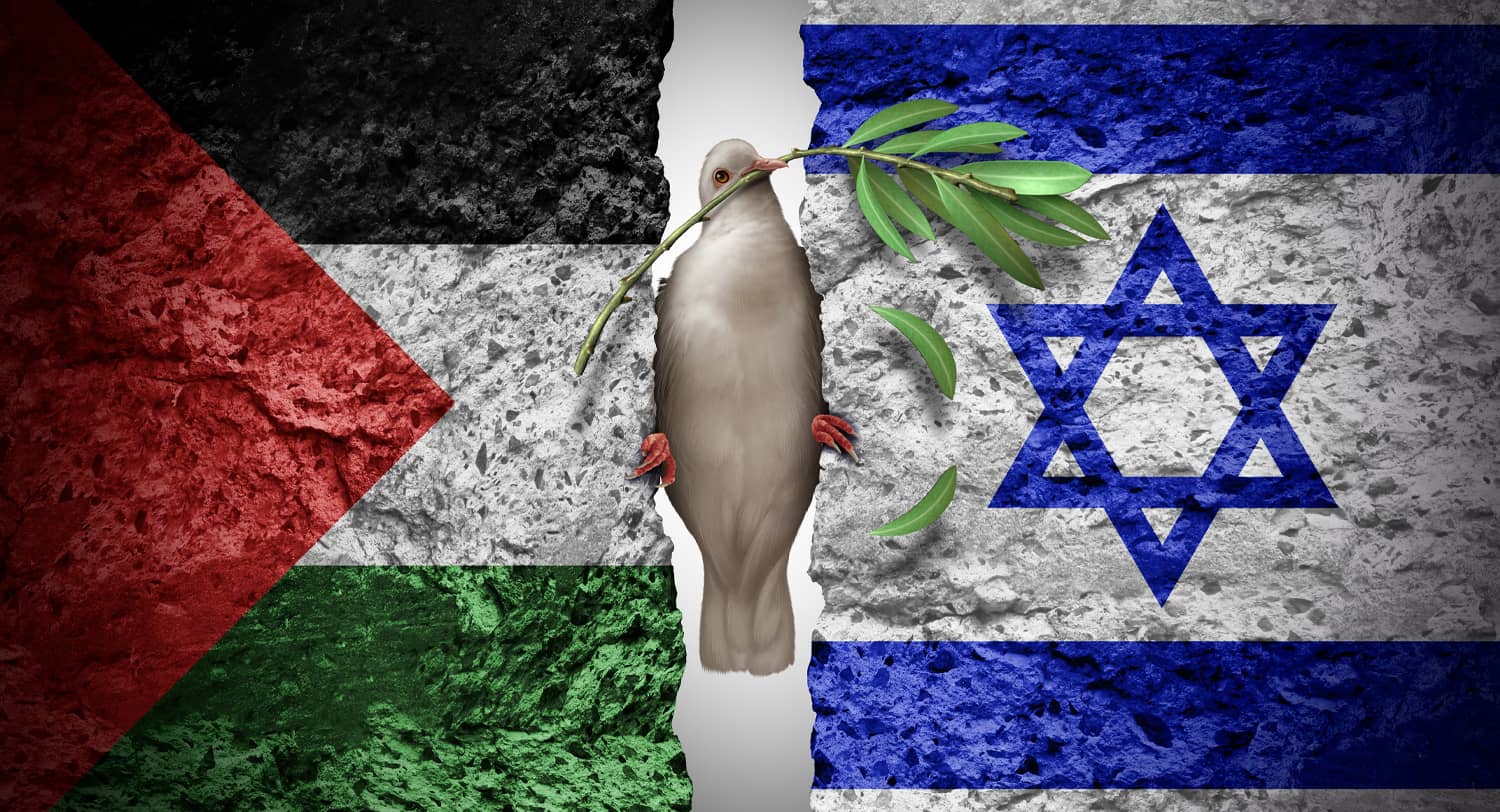
This article will explain the origins of the Two-State Solution, its core principles, and the reasons why it remains a central, yet elusive, framework for peace.
The Genesis of the Two-State Solution
The roots of the Two-State Solution can be traced back to the aftermath of World War II and the end of the British Mandate in Palestine. In 1947, the United Nations General Assembly adopted Resolution 181, known as the Partition Plan. This resolution proposed dividing the territory into two independent states: one Arab and one Jewish, with Jerusalem under international control.
While the Jewish leadership accepted the plan, the Arab leadership rejected it, arguing that it gave a disproportionate amount of land to the Jewish state and violated the rights of the Arab majority. This rejection led to the 1948 Arab-Israeli War, which saw the establishment of the State of Israel and the displacement of a large number of Palestinians, an event they call the Nakba (“catastrophe”).
Over the following decades, the conflict escalated, leading to the 1967 Six-Day War, where Israel occupied the West Bank, East Jerusalem, and the Gaza Strip. It was during this period that the idea of a two-state solution began to solidify as the primary framework for peace negotiations, aiming to address the territorial changes and the aspirations of both sides.
The Core Principles of the Vision
The Two-State Solution is not just a slogan; it’s a detailed framework built on key principles:
- Borders: The general consensus for a future Palestinian state is that its borders would be based on the 1967 lines, with mutually agreed-upon land swaps. This means the Palestinian state would encompass the West Bank and Gaza Strip, with East Jerusalem as its capital.
- Security: Both states would need to have security guarantees. Israel requires security from armed attacks, while the Palestinians need security from Israeli military incursions and settlement expansion.
- Jerusalem: The status of Jerusalem is one of the most sensitive issues. The Two-State Solution envisions a shared city, with East Jerusalem serving as the capital of the Palestinian state and West Jerusalem as the capital of Israel.
- Settlements: The continuous expansion of Israeli settlements in the West Bank is a major obstacle to the two-state solution, as they fragment the territory that would make up a future Palestinian state. The plan calls for an end to settlement construction.
- Refugees: The issue of Palestinian refugees, displaced in 1948 and 1967, is a humanitarian and political challenge. The solution would need to provide a just resolution for these refugees, which is a point of deep disagreement.
The Roadblocks to Peace
Despite broad international support, the Two-State Solution has never been successfully implemented. The reasons are numerous and complex:
- Political Will: There has been a lack of consistent and strong political will from leaders on both sides to make the difficult compromises required.
- Deep Distrust: Decades of conflict, violence, and failed peace talks have created a deep-seated distrust between Israelis and Palestinians.
- Disagreements on Key Issues: Fundamental disagreements on borders, the status of Jerusalem, and the right of return for Palestinian refugees remain unresolved.
- Continued Violence and Extremism: Acts of violence from both sides, as well as the rise of extremist groups, have consistently derailed peace efforts.
Conclusion: A Framework for Hope
The Two-State Solution is not a perfect plan, but for many, it remains the only viable path to a peaceful and secure future for both Israelis and Palestinians. It recognizes the national aspirations of both peoples and offers a framework for them to live side-by-side in peace and security. While the path forward is full of obstacles, the Two-State Solution continues to be the foundation for international diplomatic efforts. Whether this vision can ever become a reality depends on a renewed commitment from all parties to a future built on mutual recognition, compromise, and a shared desire for lasting peace.