Unpacking Global Solidarity: Why the World is Protesting for Palestine
In recent years, mass demonstrations supporting Palestine have surged across the globe, from the streets of London and New York to the capitals of the Middle East and Southeast Asia. These massive, citizen-led movements reflect a powerful, growing sentiment that extends far beyond geopolitical alliances. They are driven by a complex mix of humanitarian concern, outrage over human rights issues, and a fundamental demand for justice.
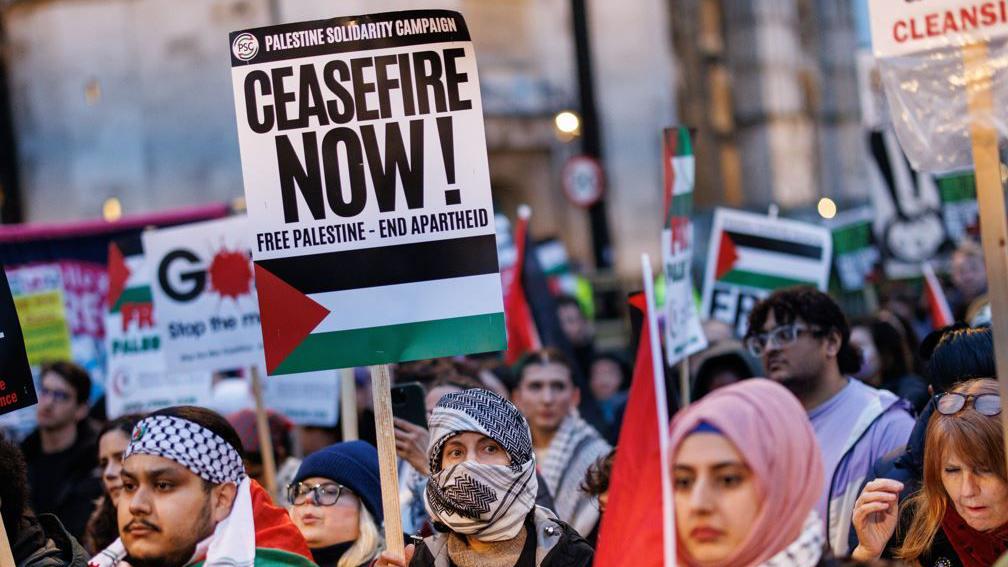
Understanding the motivation behind this global wave of pro-Palestine protests requires looking past simple headlines and examining the core issues that resonate deeply with millions of people worldwide.
The Humanitarian Crisis and Civilian Toll
One of the most immediate and visceral drivers of global protest is the devastating humanitarian crisis, particularly in the Gaza Strip. The sheer scale of civilian casualties, displacement, and suffering documented during and after military operations has sparked widespread outrage.
Protesters are responding directly to:
- Mass Casualties: The documented deaths and injuries of tens of thousands of Palestinians, including a disproportionate number of women and children. Signs and chants often focus on protecting civilians and ending the bloodshed.
- Infrastructure Destruction and Starvation: The destruction of critical infrastructure, including hospitals, schools, and residential areas, leading to a profound humanitarian catastrophe and widespread food insecurity. Protesters demand urgent humanitarian aid and an end to blockades.
- Displacement: The mass displacement of millions of Palestinians within the region, which ignites deep empathy and a historical echo of the 1948 displacement.
The visual and real-time nature of this crisis, often shared directly by those on the ground, has fostered a powerful sense of global empathy that transcends national borders.
Calls for Justice, Rights, and an End to Occupation
Beyond the immediate crisis, the demonstrations are rooted in long-standing concerns regarding international law, human rights, and the Palestinian people’s right to self-determination.
The core political and moral demands include:
- Ending the Occupation and Blockade: Protesters demand an end to the Israeli military occupation of Palestinian territories and the lifting of the blockade on Gaza, viewing these actions as the root cause of the prolonged conflict and suffering.
- Upholding International Law: Many demonstrators cite accusations of war crimes and “genocide”—a term increasingly used by activists and some UN-affiliated experts—to demand accountability and adherence to international humanitarian law.
- The Right of Return: A central tenet of Palestinian solidarity is the demand for the right of Palestinian refugees to return to their homes, as enshrined in UN General Assembly resolutions.
- Protesting “Colonial Apartheid”: A growing number of international human rights organizations and activists characterize Israeli policies in the occupied territories as apartheid or settler colonialism, framing the protests as a movement against systemic injustice and discrimination.
For many global citizens, the Palestinian cause has become a universal symbol of a people fighting for freedom, dignity, and sovereignty against a powerful state, mirroring other historical struggles for liberation.
The Mobilizing Power of Social Media
Social media platforms have proven indispensable in fueling and organizing these global solidarity movements, effectively bypassing traditional media narratives.
Social media’s key roles include:
- Real-Time Documentation: Platforms like Instagram, TikTok, and X (formerly Twitter) provide a direct, unfiltered view of events in Gaza, often shared by Palestinian journalists and ordinary citizens. This personal, emotional content builds empathy more effectively than official news reports.
- Amplifying Underrepresented Voices: Social media empowers Palestinian and pro-Palestinian activists to set the agenda and counter mainstream media narratives, ensuring their perspective reaches a massive global audience.
- Global Coordination and Mobilization: Digital tools enable rapid coordination of protests, boycotts (like the BDS movement), and fundraising efforts across continents, turning local sentiment into a massive, cohesive international movement.
Opposition to Foreign Military and Political Support
A significant number of protests, particularly in Western countries, are explicitly directed at their own governments’ foreign policies. Demonstrators criticize the long-standing military and diplomatic support provided to Israel by nations like the United States and several European powers.
Protesters are calling for:
- Ceasefire Demands: Pressure on governments to stop vetoing or obstructing UN resolutions calling for an immediate and permanent ceasefire.
- Stopping Arms Exports: Campaigns demanding that their governments immediately halt the export of weapons and military components to Israel.
- Policy Reversal: Demands for a fundamental shift in foreign policy to a stance that prioritizes human rights and an equitable resolution to the conflict.
In essence, the protests act as a powerful form of citizen diplomacy, attempting to force a change in official government policy by showing mass public dissent.
Conclusion: A Global Cry for Human Rights
The extensive and enduring global protests supporting Palestine are not monolithic, but they share a common thread: a profound response to perceived and documented injustice, human rights violations, and a humanitarian catastrophe. Fueled by real-time documentation and coordinated via digital networks, the movement has transformed a regional conflict into a focal point for global activism on issues of international law and universal human rights.
The presence of hundreds of thousands on the streets is a clear indicator that for a significant portion of the world’s population, the call to stand in solidarity with Palestine is fundamentally a call for a more just and equitable global order.