The Dream of a State: Understanding the Palestinian Quest for Independence
The desire for a sovereign, independent state is a fundamental aspiration for any people. For Palestinians, this dream has been at the heart of their national struggle for over a century. The quest for Palestinian independence is not just a political movement; it is a deep-seated longing for self-determination, dignity, and a homeland. It is a complex issue with historical roots, international dimensions, and significant emotional weight.
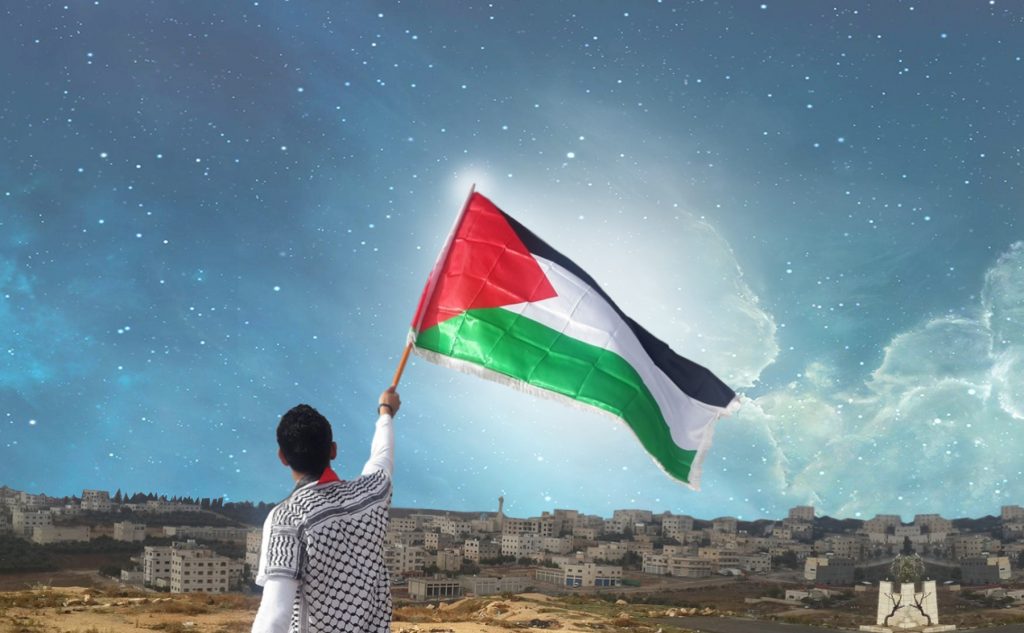
This article will explore the historical context of the Palestinian independence movement, the key events that have shaped it, and the vision of a future Palestinian state. It’s a journey through a conflict that has defined a region and captivated the world.
A History of Dispossession and Resistance
The modern Palestinian struggle for independence began in the early 20th century, with the decline of the Ottoman Empire and the rise of European colonialism. Following World War I, the British were granted a mandate to govern the territory, which they had promised to both Arab and Jewish communities. This created a tension that would eventually lead to conflict.
- The 1948 War and the Nakba: In 1947, the United Nations proposed a partition plan to divide the territory into two states, one Arab and one Jewish. The Arab population rejected the plan, and the subsequent war in 1948 led to the establishment of the State of Israel. For Palestinians, this event is known as the Nakba, or “catastrophe,” as it resulted in the displacement of hundreds of thousands of people who became refugees in neighboring countries and within the newly formed state.
- The 1967 War and Occupation: The 1967 Six-Day War saw Israel occupy the West Bank, East Jerusalem, and the Gaza Strip. This occupation has had a profound impact on the Palestinian people, limiting their movement, and economic opportunities, and leading to the expansion of Israeli settlements, which are seen as a major obstacle to peace.
- The First Intifada and the Oslo Accords: The First Intifada, a Palestinian uprising against the Israeli occupation, began in 1987. It highlighted the urgency of the Palestinian cause and led to the 1993 Oslo Accords. These agreements were a major diplomatic breakthrough, setting up a framework for a future peace process and creating the Palestinian Authority (PA) to govern parts of the West Bank and Gaza Strip.
The Vision of a Palestinian State
The vision of a future Palestinian state is built on the principles of self-determination and sovereignty. While the exact details are a matter of ongoing negotiation, the generally accepted framework, known as the Two-State Solution, includes:
- Borders: A Palestinian state based on the 1967 borders, with mutually agreed-upon land swaps, encompassing the West Bank and Gaza.
- Capital: East Jerusalem as the capital of the Palestinian state.
- Sovereignty: Full political and economic independence, with control over its own borders, airspace, and resources.
This vision is supported by the United Nations and the majority of the international community. It is seen as the most viable path to a just and lasting peace, allowing both Israelis and Palestinians to live side-by-side in secure and sovereign states.
Challenges on the Road to Independence
Despite the international consensus, the road to an independent Palestinian state is full of significant obstacles.
- Continued Settlement Expansion: The expansion of Israeli settlements in the West Bank has fragmented the territory, making a contiguous Palestinian state difficult to envision.
- Political Divisions: There are deep political divisions among Palestinian factions, particularly between the Fatah-led Palestinian Authority in the West Bank and Hamas in Gaza. These divisions have weakened the Palestinian leadership and their ability to negotiate with a single voice.
- Economic and Humanitarian Crises: The ongoing occupation and blockades have created severe economic hardship and humanitarian crises, particularly in Gaza, which further complicate any path to a lasting peace.
- Deep-Seated Distrust: Decades of conflict have created profound distrust and bitterness on both sides, making the compromises necessary for peace extremely difficult to achieve.
Conclusion: A Hope for the Future
The Palestinian quest for independence is a powerful and enduring narrative of a people fighting for their rights and their homeland. While the challenges are immense and the path is uncertain, the dream of a sovereign Palestinian state remains a beacon of hope for a peaceful and just future. The journey toward independence is a testament to the resilience of the Palestinian people and their unwavering belief in their right to self-determination.