A Call for Peace: Why Wars Between Nations Must Be Stopped
For as long as human history has been recorded, so too have the stories of war. From ancient empires clashing over territory to modern nations fighting for ideology, war has been a persistent and destructive force. While we live in a time of unprecedented technological advancement and global connection, the specter of interstate conflict remains a constant threat. The question is no longer “if” we should stop wars, but “why” it is an absolute and immediate necessity for the survival and prosperity of humanity.
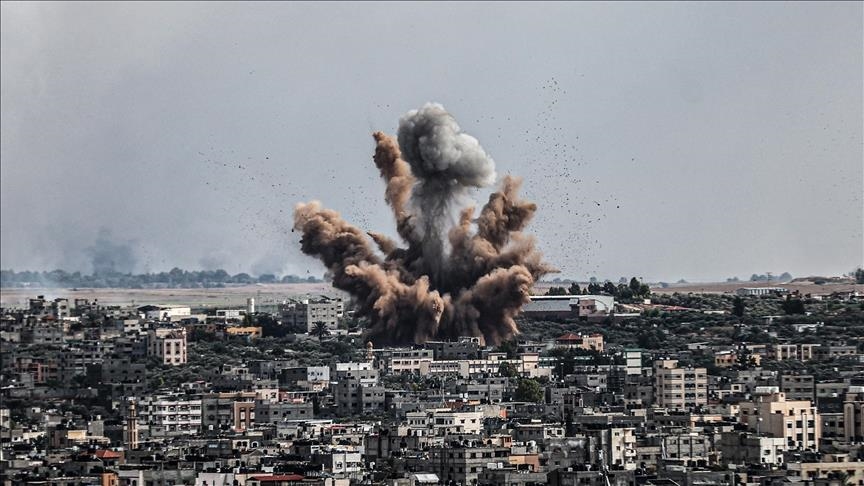
This article will explore the devastating consequences of war, both visible and invisible, and make a compelling case for why the international community must commit to preventing and ending armed conflict now.
The Human Cost: A Toll Beyond Measure
The most tragic and undeniable consequence of war is the loss of human life. War is not an abstract concept; it is the death of sons, daughters, mothers, and fathers. It is the destruction of families and the shattering of communities.
- Mass Casualties: Modern warfare, with its advanced weaponry, can lead to casualties on a scale that was unimaginable in previous eras. The loss of life is not limited to soldiers; civilians, including women and children, are often the primary victims.
- Physical and Psychological Scars: For those who survive, the scars of war run deep. Veterans and civilians alike often suffer from debilitating physical injuries, and the psychological trauma of combat, displacement, and loss can lead to lifelong struggles with post-traumatic stress disorder (PTSD), anxiety, and depression.
- Refugee Crises: War forces millions of people to flee their homes in search of safety. These refugees often face immense hardship, living in temporary camps and enduring uncertainty, hunger, and a lack of basic services. This displacement not only creates a humanitarian crisis but also destabilizes entire regions.
The Economic and Environmental Ruin
Beyond the human cost, war is an economic and environmental catastrophe. It’s a destructive force that sets back development and destroys the very foundations of a nation’s prosperity.
- Economic Devastation: War destroys infrastructure—roads, bridges, schools, and hospitals—that can take generations to rebuild. It diverts immense financial resources from essential services like healthcare and education to military spending, leaving nations impoverished and in debt. The economic fallout of a war can be felt globally, disrupting trade and causing inflation.
- Environmental Catastrophe: The environmental impact of war is often overlooked but no less devastating. Chemical weapons, explosive ordnance, and the destruction of oil fields can poison land, water, and air for decades. Military operations consume vast amounts of fossil fuels and are major contributors to carbon emissions.
- Loss of Cultural Heritage: In the chaos of war, historical sites, museums, and libraries are often destroyed, leading to the irreversible loss of a people’s cultural heritage and identity.
The Threat to Global Stability
In an interconnected world, a war between two nations is never truly contained. It has ripple effects that threaten global stability and peace.
- Geopolitical Instability: Conflicts can draw in neighboring countries, creating proxy wars and a domino effect of violence. They can destabilize regions, leading to an arms race and a heightened risk of wider conflicts.
- Disruption of Global Supply Chains: Wars can shut down shipping lanes, destroy manufacturing plants, and disrupt the flow of essential goods, from food and fuel to electronics. This can lead to shortages and economic hardship for people far removed from the conflict.
- Erosion of International Law: Every time a nation violates international law by engaging in unprovoked aggression, it weakens the global system of diplomacy and cooperation. It makes it harder to resolve future disputes peacefully and encourages other nations to follow suit.
Conclusion: A Shared Responsibility for Peace
The reasons to end wars are not just humanitarian; they are pragmatic. War is a failed solution to human problems. It creates more problems than it solves, leaving a legacy of pain, poverty, and instability. The pursuit of peace is not a sign of weakness; it is a sign of strength, foresight, and a commitment to a better future.
The responsibility to stop wars lies with all of us: with world leaders who must prioritize diplomacy over aggression, with citizens who must demand accountability, and with international organizations that must be empowered to enforce peace. The time has come to recognize that our shared humanity is our greatest asset, and that a peaceful world is the only foundation for a prosperous one.