Understanding the Assassination of John F. Kennedy
On November 22, 1963, the United States was plunged into mourning. In a shocking and tragic turn of events, President John F. Kennedy, the nation’s charismatic and youthful leader, was assassinated while riding in a motorcade in Dallas, Texas. The event, which unfolded on live television, sent shockwaves across the globe and remains one of the most significant and debated moments in modern American history. The assassination not only ended a presidency but also marked a profound loss of innocence for a nation and became the subject of countless conspiracy theories.
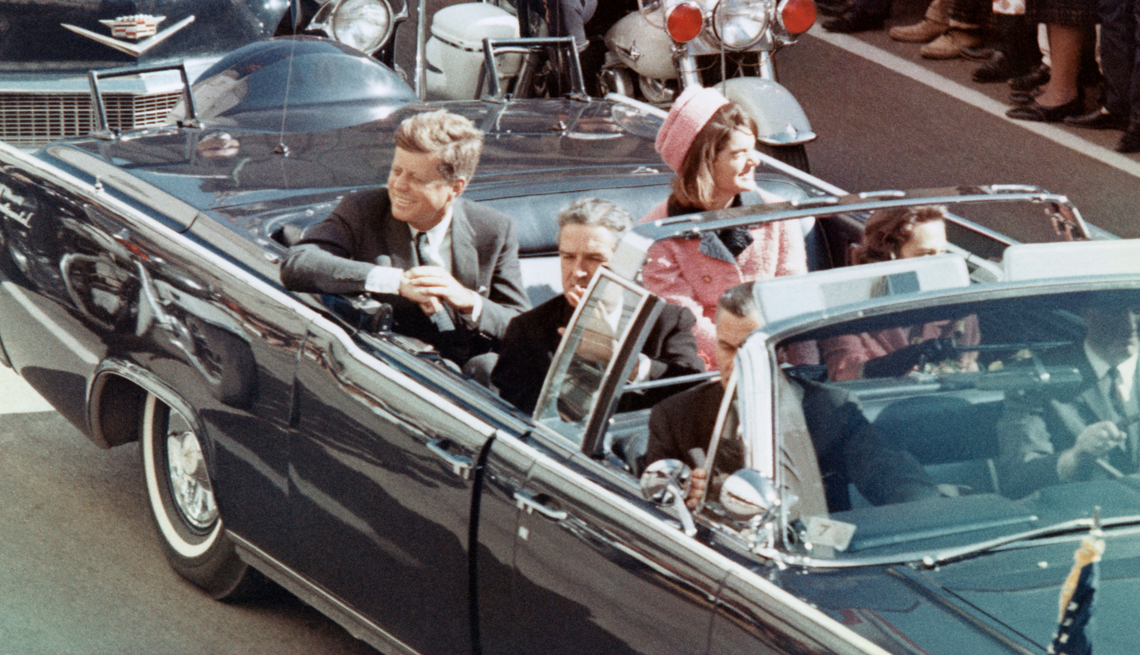
This article will explore the events of that fateful day, the official findings of the investigation, and the enduring questions that continue to fascinate and perplex historians and the public.
A Fateful Trip to Dallas
President Kennedy’s visit to Dallas was part of a political tour of Texas. He was accompanied by his wife, First Lady Jacqueline Kennedy, and Texas Governor John Connally. The motorcade was a public event, designed to allow the President to connect with the people. As the convertible limousine turned onto Elm Street in Dealey Plaza, a crowd of onlookers waved and cheered.
At approximately 12:30 p.m. Central Time, shots rang out. The President was struck in the neck and head. He slumped into his wife’s lap as the car sped toward Parkland Memorial Hospital. Despite the efforts of doctors, President Kennedy was pronounced dead at 1:00 p.m. Governor Connally was also seriously wounded but survived. The nation watched in stunned silence as the news was broadcast, an event that forever changed how the world would view tragedy.
The Official Findings: The Warren Commission
Within hours of the assassination, a suspect was apprehended: Lee Harvey Oswald. He was an ex-Marine with a history of political instability and a connection to both a pro-Castro group and a pro-U.S. group. Oswald was accused of being the lone gunman, firing three shots from a sixth-floor window of the Texas School Book Depository.
Just two days later, Oswald’s story took a shocking turn when he was shot and killed by Jack Ruby, a Dallas nightclub owner, while being escorted by police. With the suspect dead, the public was left with more questions than answers. To investigate the assassination and put the public’s fears to rest, President Lyndon B. Johnson created the Warren Commission.
The Commission’s 1964 report concluded that Lee Harvey Oswald acted alone in assassinating President Kennedy. It found no evidence of a conspiracy, either domestic or international. The report’s findings became the official story of the event, but they failed to convince a significant portion of the public.
The Enduring Mystery and Conspiracy Theories
The Warren Commission’s findings, and the subsequent murder of Oswald, fueled a fire of skepticism that has burned for decades. A 1979 investigation by the House Select Committee on Assassinations found that Kennedy was likely assassinated as a result of a conspiracy, though it could not identify the conspirators. This contradicted the Warren Commission, adding more fuel to the fire.
The sheer number and variety of conspiracy theories are a testament to the public’s desire for a more complex explanation for such a monumental event. Theories range from a second gunman on the grassy knoll to involvement from the CIA, the Mafia, or the Soviet KGB. These theories often highlight inconsistencies in witness testimonies, the rapid pace of the official investigation, and the perceived motives of powerful entities.
The death of JFK remains a topic of intense study and debate. The thousands of documents released over the years have done little to stop the speculation, as each new piece of information seems to raise more questions than it answers.
Conclusion: A Legacy of Questions
The assassination of John F. Kennedy was a pivotal moment in American history. It not only robbed the nation of a beloved president but also ushered in an era of political distrust and skepticism that continues to this day. The tragic events of November 22, 1963, remain a source of both historical fascination and profound sadness. While the official record provides a clear conclusion, the enduring questions and countless theories serve as a powerful reminder that some mysteries may never be fully solved. The legacy of JFK’s death is a complex one, a story of a nation’s lost innocence and its persistent search for the truth.


